Most people know how to hug. Very few people know how to communicate through touch and that’s the gap bidirectional therapeutic touch is designed to bridge.
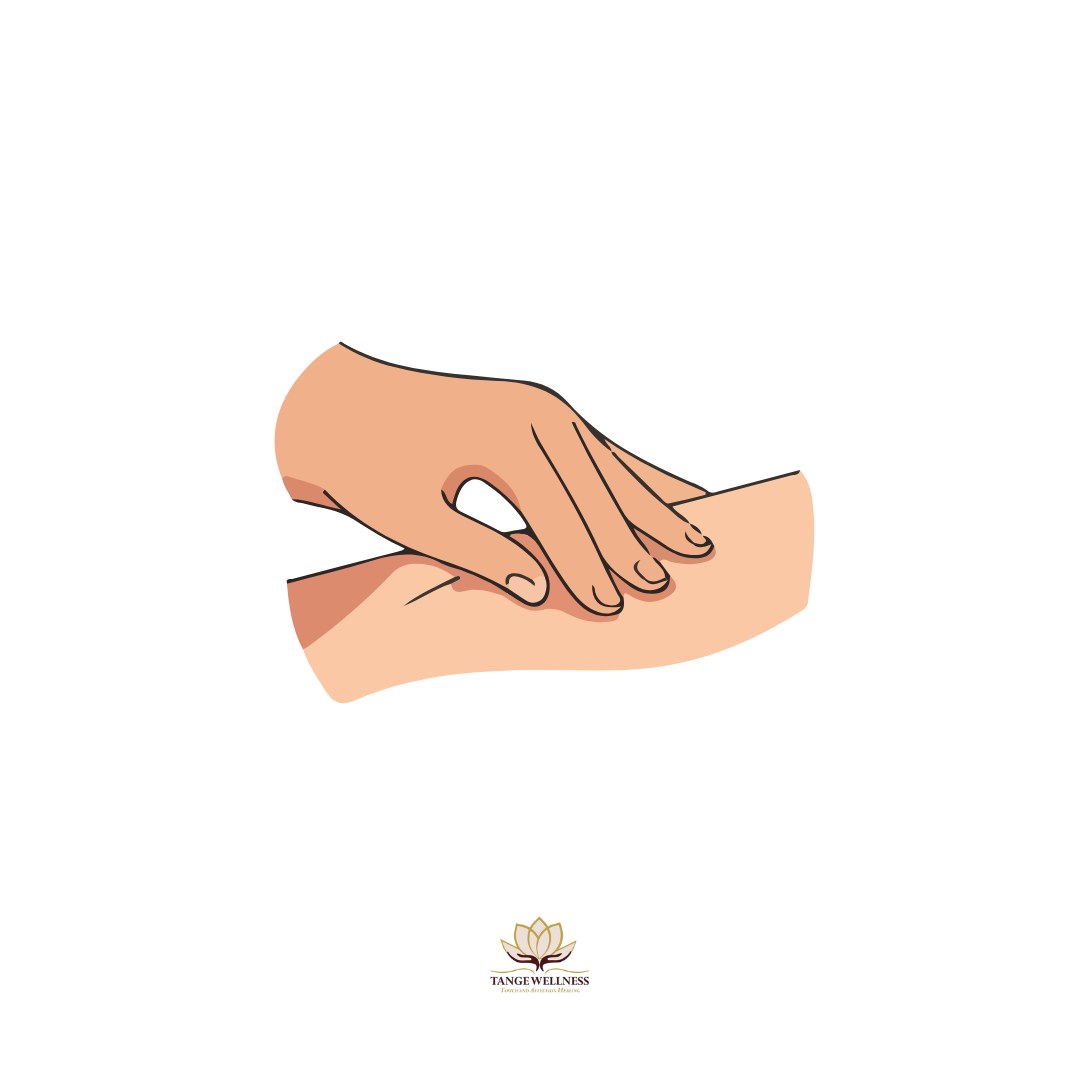
Most people know how to hug. Very few people know how to communicate through touch and that’s the gap bidirectional therapeutic touch is designed to bridge.
A really good hug can quiet the body in seconds. Here’s why steady pressure, clear consent, and co-regulation make hugs feel so calming—and how to try it at home.
Holidays can be tender when you are single, child-free, or your kids are with their other parent. You are not broken for feeling lonely on Thanksgiving. Here are gentle ways to ask for company, craft a meaningful solo day, and get support without pressure.
There’s a kind of loneliness that doesn’t show up in your calendar. You can be busy and still feel untouched. Safe, pressure-free affection is fuel for your soul. When your body goes too long without it, your nervous system adapts by armoring up. With slow, consent led touch, that armor can soften until you think, “Oh. This.”
Have you ever thought how wonderful it would be if you had a map for touch, such as a few phrases, and permission to go slow? I’ve created exactly that. Use these scripts, timers, and micro-practices to turn consent into calm.
Ongoing consent, clear roles, and paced touch help the nervous system settle. When the body knows what is happening and why, it can stop bracing and start receiving.
If you’ve ever been curious about cuddle therapy but held back because of something you heard, you’re not alone. Most people who reach out to me start with, “This might be a dumb question, but…” (spoiler: it’s never dumb).
Consent leads every step of a professional cuddle session. New research on professional cuddling shows how clear expectations, ongoing inquiries, and kind “no’s” make platonic touch healing and safe.